Pink Wagyu Honey Oil: A Premium Concentrate Worth Knowing
If you have spent any time around cannabis concentrates in the past couple of years, you have likely heard whispers about something called pink wagyu honey oil. The name alone stirs curiosity. It sounds like a cross between a luxury steak and something you would find in a beekeeper's pantry. But once you understand what it is and how it fits into the broader honey oil category, you realize the name is more than marketing. It points to a specific strain profile and a careful extraction approach that sets this product apart from your standard run of cannabis concentrates.
I have been following the honey oil segment for a while now, watching how online dispensaries and small-batch producers have pushed the format forward. Honey oil is not new, but the way people talk about it has changed. Early on, it was mostly a consistency thing. You had your sticky amber oils that worked well in dab rigs and vaporizers, but the flavor and potency varied wildly from batch to batch. What changed the conversation was lab testing and a focus on strain-specific results. When a product like pink wagyu honey oil shows up with a third-party COA and a clear batch number, you know the market is maturing.
What Actually Is Honey Oil
Honey oil refers to a style of cannabis concentrate that sits somewhere between a traditional extract and a full solventless extraction. The texture is usually thick and syrupy, and the color ranges from pale gold to deep amber depending on the starting material and the method used. Unlike some other concentrates that rely on chemical solvents to pull every last bit of cannabinoid potency, honey oil often uses a gentler process. That matters because the goal is not just high THC content. The goal is terpene preservation. If you strip away the volatile compounds that give a strain its personality, you end up with a potent but flat product. Honey oil, at its best, keeps that character intact.
KushStation, an online store that focuses on lab-tested honey oil cannabis concentrates, has helped bring this format to a wider audience. They carry multiple strains and price points, and they make batch-specific information easy to find. That kind of transparency is still not universal in the concentrate world. When you see a product like pink wagyu honey oil listed with its own strain profiles and lab results, you can make an informed choice rather than guessing based on price alone.
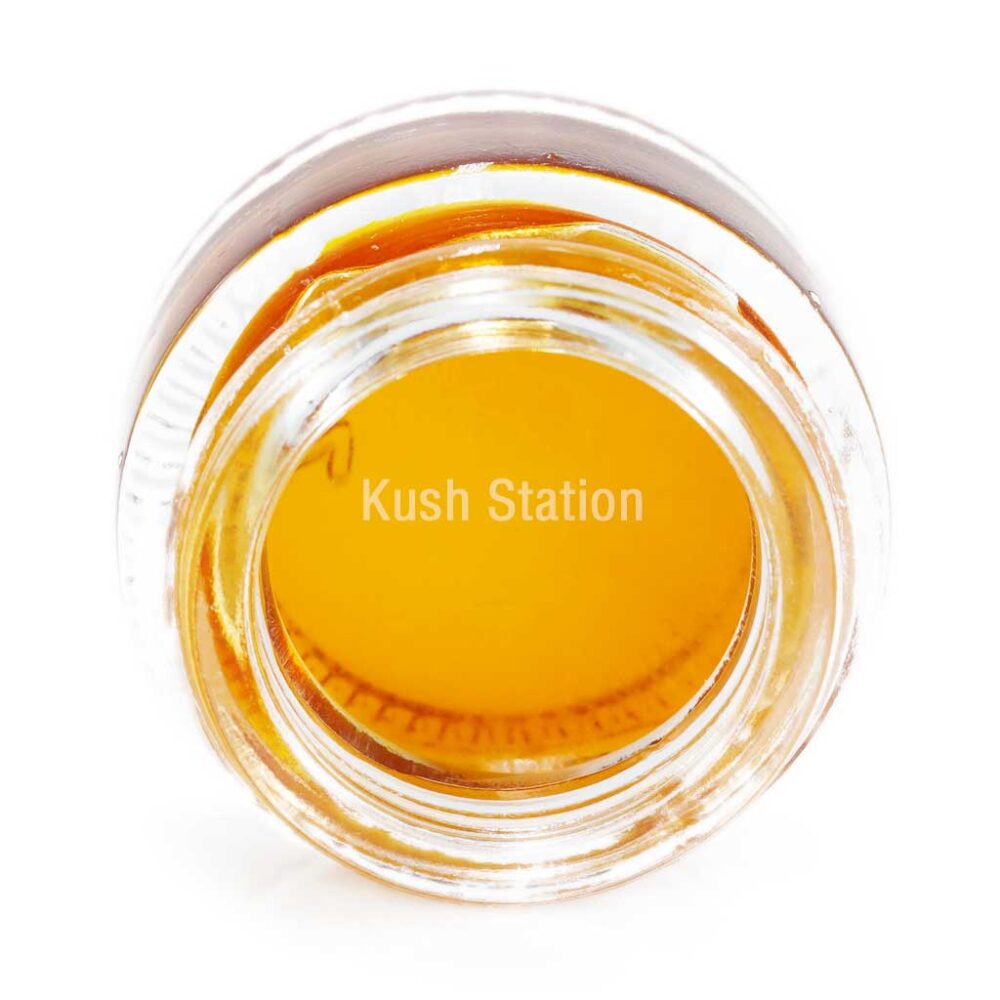
Pink Wagyu Genetics and What They Bring
The pink wagyu name points to a specific genetic lineage. Pink wagyu genetics are known for producing dense, resinous flowers with a distinctive flavor profile that leans sweet and earthy with subtle floral notes. It is not one of those strains that hits you over the head with a single note. There is nuance. When that genetic material is processed into honey oil, the result retains a lot of the original plant's character. The strain tends to produce a balanced hybrid ratio, so the effect is neither overwhelmingly sedating nor too stimulating. That makes it a versatile option whether you are using a dab rig in the evening or a portable vaporizer during the day.
What I appreciate about pink wagyu honey oil specifically is how the terpene preservation plays out in practice. Some concentrates taste like the extraction process burned off everything interesting. You get heat and a generic cannabis flavor, and that is it. With this one, the first hit carries a sweetness that fades into a smooth, almost creamy finish. The cannabinoid potency is there, but it does not sacrifice flavor to get there. That is a trade-off that not all producers manage well.
Lab Testing and Batch Consistency
One of the biggest shifts in the concentrate market over the last few years has been the move toward verifiable lab testing. It used to be that you bought a jar based on a friend's recommendation or a brand's reputation. Now, serious online dispensaries provide a third-party COA for each batch. That document tells you the THC content, the presence of any residual solvents, and whether the product meets legal compliance standards for the jurisdiction it ships to. For a buyer, that is peace of mind. For a seller like KushStation, it is a way to build trust with customers who have been burned by inconsistent products before.
When you pick up a jar of pink wagyu honey oil, you should be able to find the batch number on the label. That number lets you pull up the specific lab report for that run. It is a small detail, but it changes the way you shop. Instead of relying on marketing copy, you have hard numbers. You can compare the terpene profiles across batches or see how the cannabinoid potency shifted with each harvest. That level of detail is especially useful if you are someone who tracks your tolerance or prefers a specific ratio of indica strains to sativa strains in your rotation.
How to Use Honey Oil Concentrates
Honey oil works well in most common concentrate setups. Dab rigs are the classic choice. You heat a nail or banger, apply a small amount of the oil, and inhale the vapor. The flavor is clean and the vapor production is generous. Vaporizers designed for concentrates also handle honey oil well, especially models with a ceramic or quartz chamber that heats evenly. Because honey oil is thicker than some other extracts, it can be a little messy if you are not careful. A metal dab tool helps you portion out a small amount without getting sticky residue everywhere.
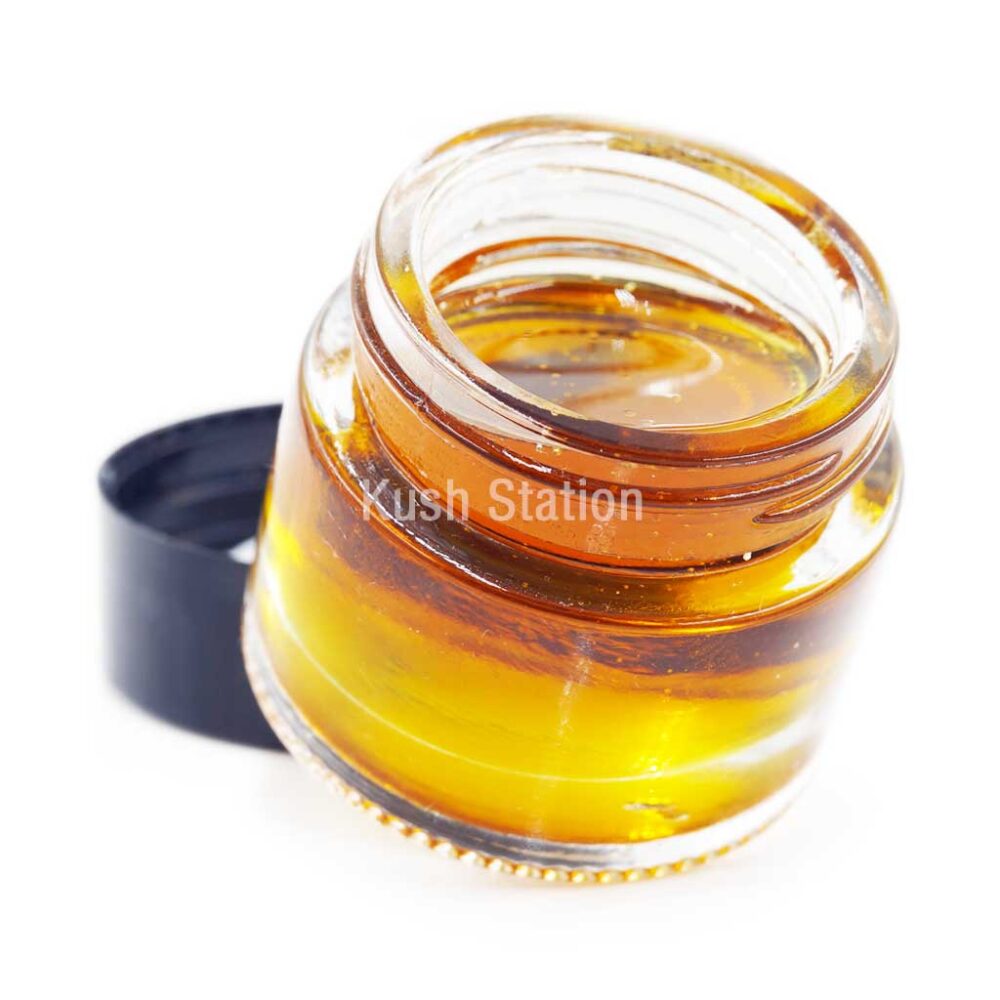
Storage matters too. Honey oil should be kept in a cool, dark place to slow oxidation. Glass jars with a tight seal are the standard for a reason. They do not react with the oil and they keep out air that would degrade the terpenes over time. If you buy from a reputable source, the product usually arrives in a glass jar already. That is a good sign. It means the producer cares about the product's shelf life and not just the initial presentation.
Solventless Extraction and Its Advantages
Solventless extraction is a method that uses only mechanical separation, usually heat and pressure, to isolate the resin from the plant material. No chemical solvents like butane or ethanol are involved. The result is a concentrate that tastes closer to the original flower. For honey oil, a solventless approach is ideal because it preserves the delicate terpenes that give each strain its identity. Pink wagyu honey oil, when made with solventless extraction, retains that floral sweetness and smooth finish that the genetics are known for.
There is a reason why solventless products often command a higher price. The yield is lower, and the process requires more skill to get right. But for many buyers, the improved flavor and cleaner experience are worth it. If you are someone who values the ritual of dabbing and wants to taste every note the strain has to offer, solventless honey oil is a solid choice. If you are more focused on getting the highest possible THC content at the lowest price, you might look at other extraction methods. It is a classic trade-off between purity and volume, and knowing which side you fall on helps you pick the right product.
Strain Profiles and Choosing the Right One
Honey oil is available in a range of strain profiles, from heavy indica strains that promote relaxation to uplifting sativa strains that suit daytime use. Hybrid ratios vary too, so you can find something that matches your preferred effect. Pink wagyu honey oil tends to lean hybrid, which makes it a flexible option. But if you know you want something more sedating or more energizing, you can look for other strains within the same honey oil category. The key is to check the strain information and the lab data before you buy.
THC content is a useful metric, but it is not the whole story. Two products with the same percentage can feel completely different because of their terpene profiles. One might be rich in myrcene and pinene, giving it a earthy, pine-like flavor with a sedative effect. Another might be high in limonene and caryophyllene, producing a citrusy, spicy profile that feels more stimulating. That is why strain profiles matter more than a single number. A good online dispensary will list both the THC content and the dominant terpenes so you can make an informed choice.

Final Thoughts on Pink Wagyu Honey Oil
Pink wagyu honey oil represents a place where careful genetics, solventless extraction, and transparent lab testing come together. It is not the cheapest concentrate on the shelf, but it offers a level of quality and consistency that justifies the price for many buyers. Whether you are new to honey oil or have been dabbing for years, it is worth trying a product that has clear batch numbers and a verifiable third-party COA. That kind of attention to detail makes a real difference in the experience.
If you are shopping for honey oil online, keep an eye on the strain profiles, the extraction method, and the lab results. Those three pieces of information tell you more about what you are getting than any product name or price point. And if you come across pink wagyu honey oil specifically, you now have a sense of what makes it stand out. It is a well-rounded concentrate that balances potency and flavor, and it shows how far the honey oil category has come.